
Connect assets, field teams, and customer service.
Digital platforms for energy and utility operations. Turn fragmented asset information, service requests, and reporting into coordinated business workflows.
Discuss your Energy & Utilities projectSoftware shaped by
the work you do.
Field activity, customer communications, and asset information often move at different speeds. We build applications that make status visible while respecting the boundaries of operational systems.
We bring product design, custom engineering, and systems integration together to build a practical path from today’s processes to a more connected operation.
Asset information & maintenance coordination
Bring asset records, inspection findings, and planned work into accessible views. Help teams find the information needed to prepare and document field activity.
- Asset registers and histories
- Inspection forms and attachments
- Maintenance request coordination
Your operational overview
Field-service workspaces
Support dispatchers and field teams with clear job information. Capture work updates and exceptions through mobile workflows designed for the conditions in which they are used.
- Work orders and job assignments
- Mobile completion records
- Location and status integrations
Customer self-service
Make service requests, account information, and communications easier to manage. Connect customer-facing experiences with the teams responsible for resolving issues.
- Service-request portals
- Account-system integrations
- Status updates and notifications
 Connected
where you work.
Your day.
In one place.
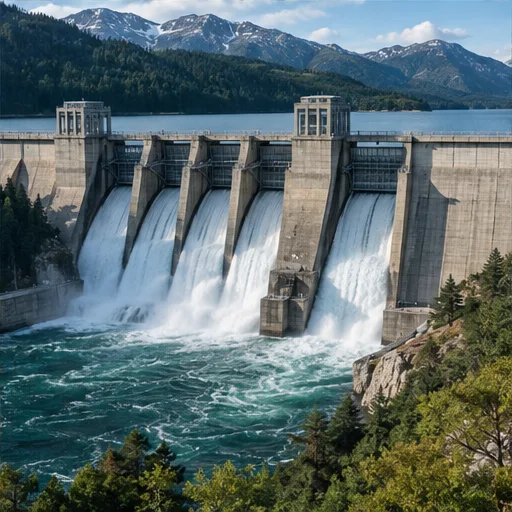 Utility operations
life on the move.
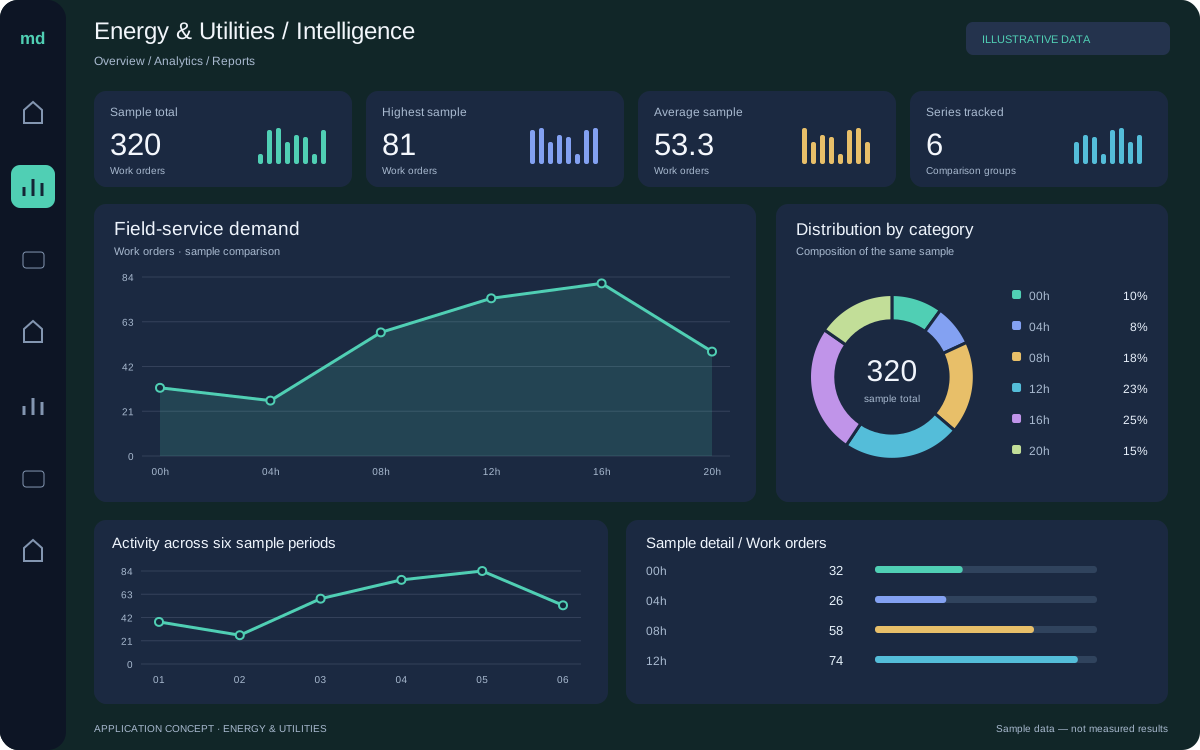
Operational & resource reporting
Combine selected data feeds into useful reporting views. Establish definitions, quality checks, and update expectations before introducing operational dashboards.
- Asset and service dashboards
- Resource-use reporting
- Data quality and exception views
Asset & service records
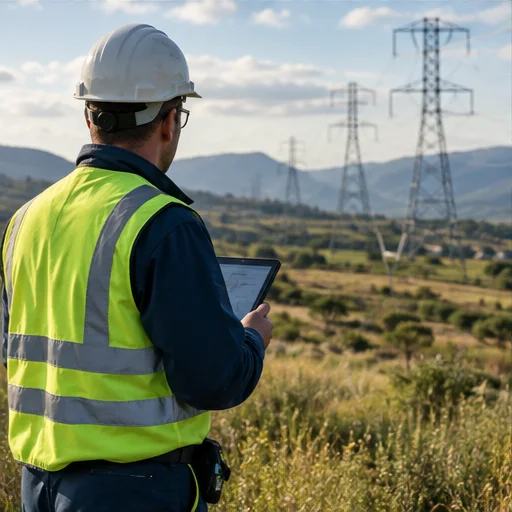
Connect your systems.
Keep the context.
We assess supported interfaces, data ownership, and access rules before connecting platforms. Each integration includes a plan for validation, failures, and ongoing support.
AI that supports
your people.
Use AI to organize inspection notes, retrieve procedures, and summarize service history. Applications remain separate from direct equipment control unless a specialized scope and appropriate engineering review explicitly cover it.
Explore our AI capabilitiesStart with the source
Understand available data, permissions, and quality.
Keep people in control
Build review and exception handling into the workflow.
Measure useful outcomes
Evaluate task quality and usefulness before expanding.
A practical path to delivery.
Start with a focused workflow. Build a foundation that can grow.
Discover
Map users, current systems, constraints, and the first problem worth solving.
Design
Prototype the experience and define the data, permissions, and integration approach.
Build & validate
Develop in stages, test representative workflows, and review progress with your team.
Launch & improve
Prepare the handoff, monitor the release, and prioritize improvements from real use.
Energy & Utilities software FAQs.
Have a question about your systems or project?
Talk to our team ↗Will an integration change operational control systems?
Our typical scope uses approved business interfaces and reporting feeds. Any connection to control infrastructure needs a separate architecture, access, and operational review.
Can field tools work across multiple locations?
Yes. Location-specific access, asset hierarchies, and workflow rules can support regional teams while providing consistent reporting across the organization.
How do we choose the right first project?
Start with a specific workflow, its users, and the systems it depends on. We review the current process, identify a useful first release, and agree on success measures before moving into design and development.
What happens after the software launches?
We can support monitoring, issue resolution, documentation, and planned improvements. Responsibilities, support hours, and maintenance arrangements are agreed for the engagement rather than assumed.
Energy & Utilities, in focus.
From the people doing the work to the environments they work in. Technology starts with understanding both.
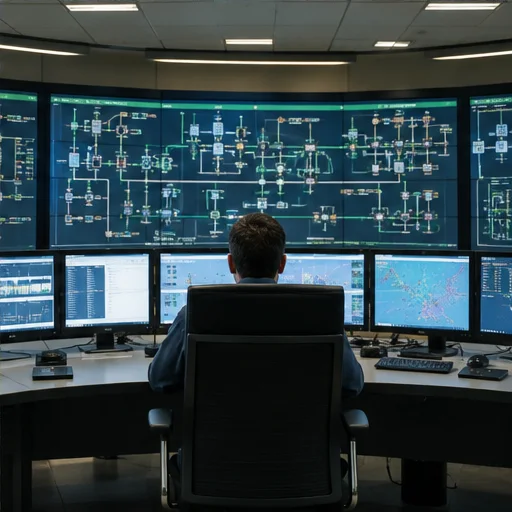
Illustrative industry imagery.